

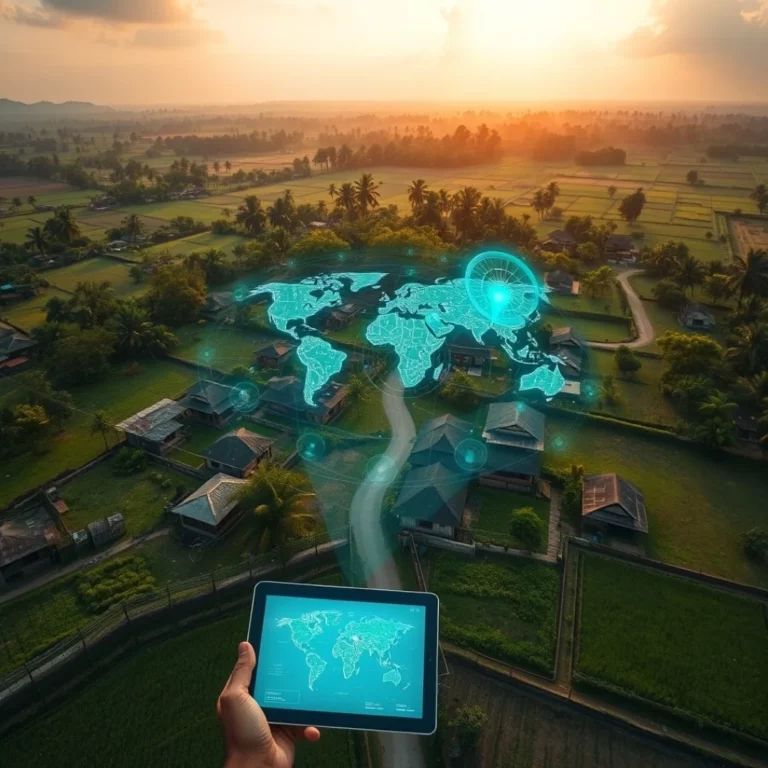
The TNGIS app village platform is a centralized digital management solution designed to streamline residential community operations by replacing manual paperwork and physical notice boards with an integrated mobile interface. It enables property managers and residents to efficiently handle maintenance requests, service updates, and community communication in real-time. By digitizing these essential logistical tasks, the platform enhances accessibility and convenience, meeting modern expectations for seamless property management and resident engagement within village-style developments.
Understanding the Shift to Digital Community Management
The transition toward digital community management isn’t just about replacing paper with screens; it’s about accessibility. Residents today expect the same level of convenience in their neighborhoods that they have in their banking or shopping apps. They want to book amenities, report a broken street lamp, or check community announcements without waiting for office hours.When communities rely on fragmented communication—like scattered email threads or unmonitored messaging groups—information slips through the cracks. The TNGIS App Village functions as a single source of truth. By consolidating these interactions, the platform ensures that both management and residents have a clear, transparent view of what is happening within their village at any given time.
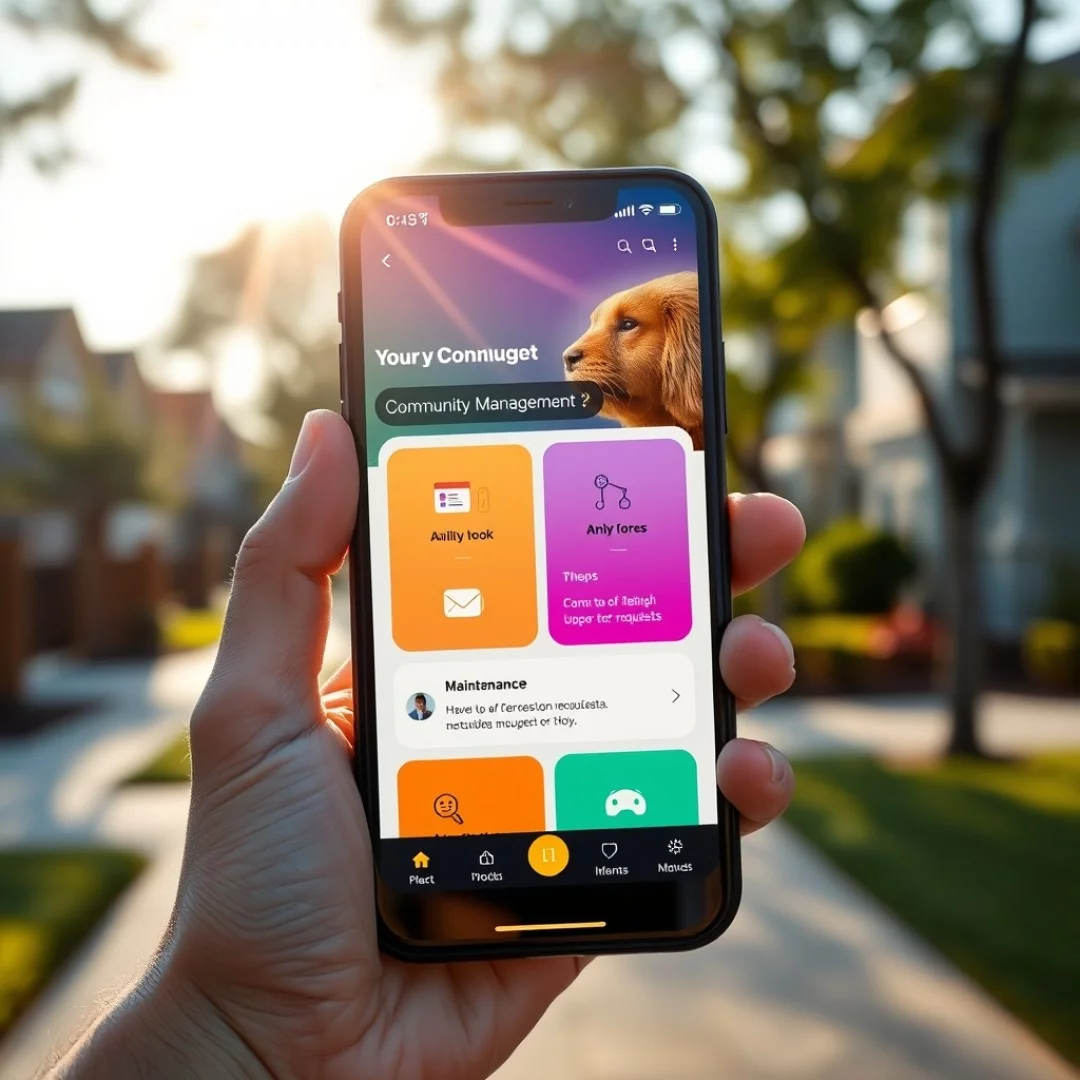
What is the TNGIS App Village?
At its core, the TNGIS App Village is a specialized software solution designed to bridge the gap between community administration and the residents they serve. It acts as a digital infrastructure for residential hubs, providing a suite of tools that handle everything from access control to event scheduling. Instead of forcing residents to navigate multiple disconnected systems, the app brings essential services into a unified interface.The platform is built on the premise that efficient management benefits everyone. When a resident can solve a problem through a few taps on their phone, they are less frustrated. When a manager can broadcast a message to the entire village in seconds, they save hours of manual labor. It is a utility-first approach to community living.
Key Features for Modern Neighborhoods
What makes a platform like this work in practice? It comes down to features that solve actual, everyday problems. The TNGIS App Village focuses on a few critical areas:
- Unified Communication: A dedicated portal for announcements ensures that important updates—like water maintenance or gate access changes—reach the right people immediately.
- Service Requests: Residents can submit maintenance tickets with photos, allowing management to track, assign, and resolve issues without constant follow-ups.
- Facility Bookings: Whether it’s a clubhouse, a tennis court, or a communal garden, the app manages availability to prevent double-bookings and scheduling conflicts.
- Visitor Management: In gated communities, the ability to pre-register guests or verify identities through the app significantly enhances security while reducing wait times at entry points.
These tools are not just fancy additions; they represent a fundamental improvement in how space and resources are shared among neighbors.
How TNGIS App Village Improves Resident Engagement
Engagement in a village often suffers because people simply don’t know how to get involved. A digital platform changes this dynamic by lowering the barrier to entry. When a community uses the TNGIS App Village, they can host polls, organize events, and share news in a way that feels modern and relevant.For instance, if the village is planning a community cleanup or a social gathering, the app allows organizers to gauge interest and send reminders directly to residents’ devices. This turns passive living into active participation. When residents feel informed and connected, the overall sense of community strength increases. It transforms a group of people living in proximity into a cohesive neighborhood.
Reducing Administrative Overhead for Managers
For those running the village, the administrative burden is often the biggest bottleneck. Manual tracking of dues, service requests, and vendor appointments is prone to human error. By automating these processes through the TNGIS system, managers can focus on higher-level issues rather than administrative minutiae.The app provides a dashboard that gives managers real-time insights into community performance. They can see which maintenance categories have the highest volume of requests, allowing for better budget allocation. They can also keep a digital log of all interactions, which is invaluable for audits and transparency. By digitizing the workflow, the village office becomes more responsive and significantly more efficient.
Data Security and Privacy in Community Apps
One of the most important considerations for any platform handling residential data is security. Residents are rightfully protective of their contact details, visitor logs, and personal information. The TNGIS App Village prioritizes data encryption and strict access controls. By using a secure, closed system, the community ensures that sensitive information is not exposed on public social media or unencrypted messaging apps. This professional approach to data management builds trust, which is the foundation of any successful community technology implementation.
Conclusion
The TNGIS App Village is more than just an app; it is a tool for modernizing how we live together. By streamlining communication, simplifying maintenance, and providing a secure space for community interaction, it removes the friction that often plagues residential management. As communities continue to grow and become more complex, the ability to manage them digitally will be the difference between a disorganized neighborhood and a thriving, connected village. Adopting such a system is a proactive step toward a more efficient and harmonious community experience.